

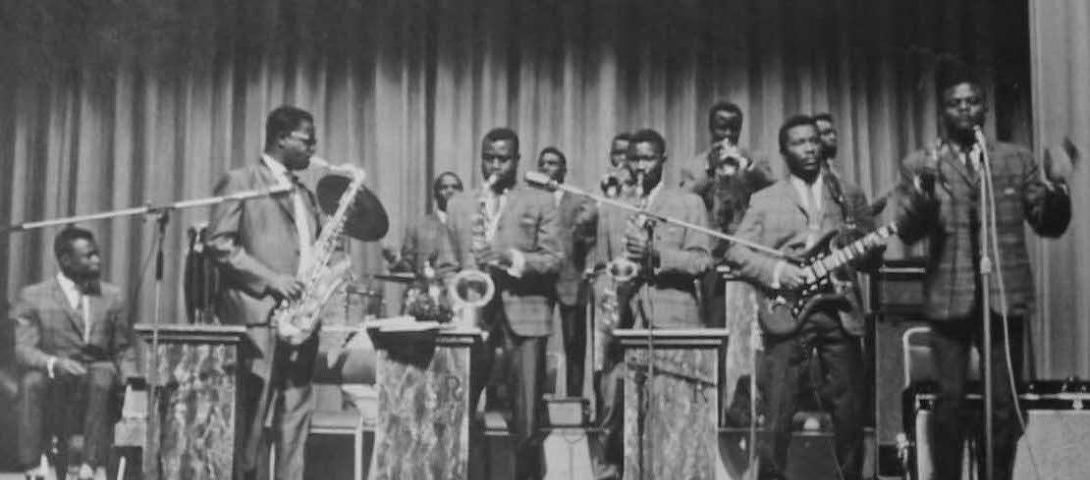
Great news for music lovers and culture enthusiasts! In a monumental win for the arts, UNESCO has officially recognized Ghana’s Highlife music as an Intangible Cultural Heritage.

The announcement, made on Wednesday, November 10, cements Highlife’s status as a protected cultural treasure. UNESCO described the genre as a “monumental expression of Ghana’s musical genius, culture, and global influence,” validating what Ghanaians have known for over a century: Highlife is the heartbeat of the nation.
A Historic Milestone
This recognition didn’t happen overnight. Earlier in 2025, Ghana’s National Folklore Board submitted a nomination dossier and championed the genre through a rigorous review process. The successful inscription honors the tireless work of the communities, institutions, and culture bearers who have preserved this sound across generations.
More Than Just Music
Highlife is far more than entertainment; it is described as a cultural mirror that reflects the country’s social issues, love stories, morality, and national aspirations. With its unique rhythms, distinct horn arrangements, and deep storytelling, Highlife has shaped the Ghanaian national consciousness for over 100 years.
This new status is expected to:
- Boost Ghana’s global cultural profile.
- Attract investment into music preservation and the creative arts.
- Drive tourism, drawing visitors eager to experience the roots of this iconic sound.
Honouring the Legends
The UNESCO listing serves as a tribute to the legendary figures who championed the genre, including E.T. Mensah, Koo Nimo, Nana Ampadu, Paapa Yankson, and Amakye Dede. Their contributions not only defined an era but also paved the way for modern genres like Hiplife and Afrobeats, proving that Highlife’s influence is truly timeless.
This is a proud moment for Ghana and a victory for African music on the global stage. Long live Highlife!