

Government has taken a decisive step toward supporting Ghana’s cultural economy by creating a Creative Arts Fund and providing seed capital in the 2026 budget.
Finance Minister Dr. Cassiel Ato Forson told Parliament that the fund will receive GH¢20 million to kick-start support for music, fashion, visual arts, culinary arts and the broader creative value chain.
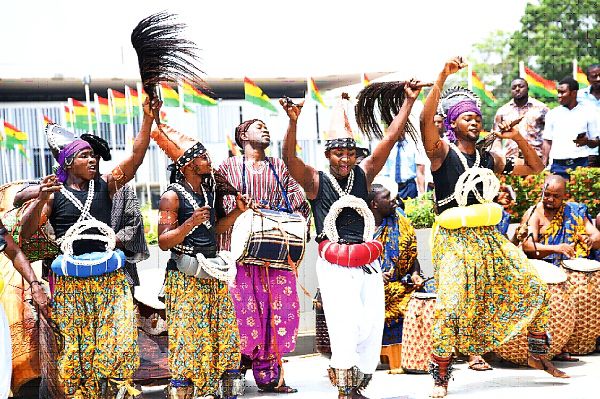
“We will also establish the Creative Arts Fund for the arts, music, fashion, food and other creative sectors,” he said.
The move is practical and immediate. A dedicated pool of public capital can finance small production grants, artist training, technical upgrades, market access programmes and the professionalisation of creative businesses.
Dr. Ato Forson positioned the initiative as part of a broader plan to transform culture into jobs and economic growth rather than leaving it on the margins.
This shift matters for creatives. Years of irregular funding and weak market structures have held back many musicians, designers, chefs and visual artists who struggle to secure predictable income.
Seed funding can ease early-stage risks that private investors typically avoid. If channelled into production, distribution, export promotion and incubation hubs, the Fund could open new commercial pathways and tourism opportunities.
However, success will depend on clear rules and strong governance.
Past efforts to support the creative economy have faltered due to vague oversight, short-lived initiatives and poor tracking of results. Stakeholders will expect transparent disbursement criteria, an independent board with sector expertise and a monitoring system that measures job creation and revenue from supported projects.
Other budget measures point to a broader strategy. The Ministry of Tourism, Culture and Creative Arts has been tasked with modernising cultural infrastructure and improving incentives for creatives.
Linking the Fund to skills training, copyright protection and marketing support would amplify its impact. A smart blend of grants, low-interest loans and matched funding could also attract private investment and strengthen creative business models.
Naturally, some scepticism remains while the details are finalised.
Creatives will watch for timely release of the seed allocation and a clear timeline for project selection. They will also call for safeguards to ensure that support reaches grassroots creators across regions, not only those in major cities.
If implemented well, the Fund could create new income streams, expand professional jobs and generate export-ready cultural products. Poor execution, however, would leave it as another promising budget pledge that never reaches the people it intends to serve.
The next steps matter. Guidelines, board appointments and the first batch of supported creators will reveal whether this Fund becomes a meaningful driver of Ghana’s creative economy or another unrealised policy idea.
Creatives have long waited for predictable, strategic investment. The 2026 Budget marks a clear starting point.
Turning that commitment into real studios, fashion lines, albums, exhibitions and food ventures will define its true value.